

Send Message
Privacy statement: Your privacy is very important to Us. Our company promises not to disclose your personal information to any external company with out your explicit permission.

EN


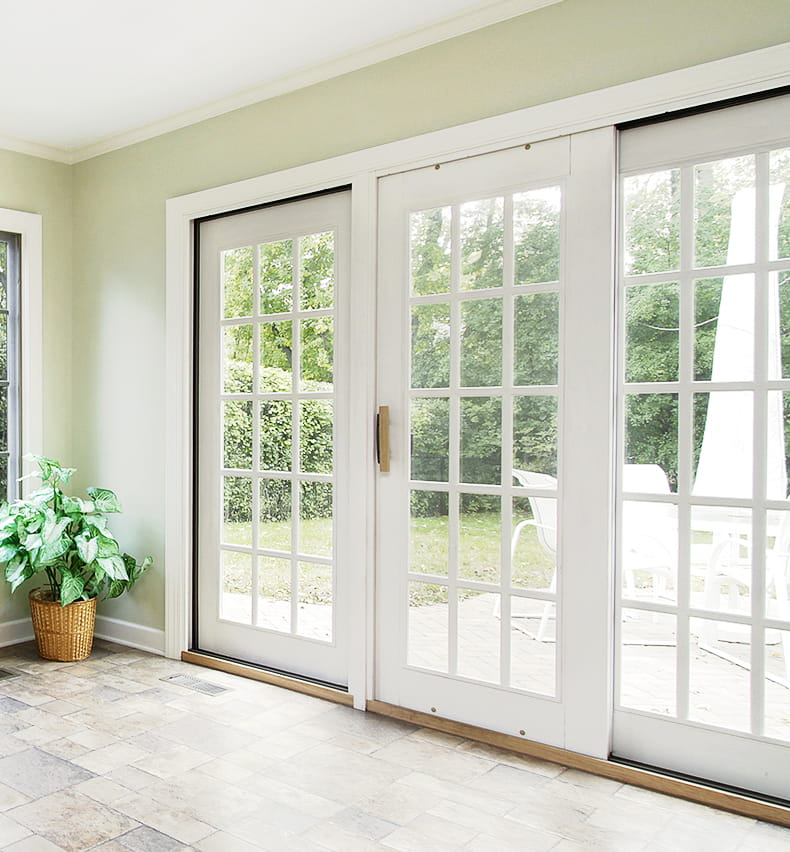
Aluminum sliding glass doors are high-performance architectural elements designed to provide seamless indoor-outdoor connectivity while maintaining structural integrity and thermal efficiency. Unlike traditional swing doors that consume valuable interior floor space, these systems utilize a track-based mechanism where one or more panels glide horizontally along a precision-engineered rail.
For procurement professionals and developers, aluminum sliding glass doors represent a strategic choice for modern construction projects. The aluminum alloy frame offers superior corrosion resistance, dimensional stability, and low maintenance requirements compared to wood or steel alternatives. These doors are available in configurations ranging from single-track bi-parting systems to multi-panel stacking and pocket door solutions, allowing architects to maximize glazing area while minimizing frame obstruction.
The versatility of aluminum sliding glass doors makes them suitable for diverse applications including residential patios, commercial storefronts, hotel balconies, and large-scale institutional projects. With advancements in thermal break technology and double/triple glazing options, modern aluminum sliding systems now meet stringent energy codes without compromising the sleek, minimalist aesthetic that defines contemporary architecture.
Founded in 2001, Forge Windows and Doors has built over 20 years of expertise in manufacturing premium aluminum windows and doors. Our three major production bases in Beijing, Foshan, and Shandong span 100,000 square meters, employing more than 500 skilled workers who ensure consistent quality across every unit produced.
With CE certification and ISO 9001 quality management standards, our aluminum sliding glass doors meet international regulatory requirements, simplifying your compliance process for export markets. Each door undergoes strict inspection before shipping, backed by a lifetime warranty that protects your investment and eliminates post-installation concerns.
Our extensive distribution network—more than 600 self-operated stores and 1,000 offline service points—demonstrates the global trust placed in our products. As both manufacturer and partner, we provide technical guidance and after-sales support that reduces your procurement risk and ensures project success from order to installation.
Selecting the right aluminum sliding glass doors requires evaluating multiple performance factors beyond aesthetics. First, examine the aluminum profile thickness and alloy grade—premium systems use 6063-T5 or higher grade alloys with wall thicknesses of at least 1.4mm for structural rigidity in large-span applications.
Thermal performance is critical for energy compliance. Look for thermally broken profiles with polyamide strips that interrupt heat transfer between interior and exterior frames. Combined with Low-E double or triple glazing, these features can achieve U-values as low as 1.1 W/m²K, significantly reducing HVAC costs for building owners.
Hardware quality determines long-term reliability. Specify multi-point locking systems, stainless steel rollers rated for thousands of cycles, and heavy-duty top-hung or bottom-roll mechanisms capable of supporting oversized glass panels. Smooth operation under heavy loads is the hallmark of well-engineered aluminum sliding glass doors.
Finally, consider customization capabilities. Leading manufacturers offer flexible options for frame colors via powder coating or anodizing, glass configurations (tempered, laminated, insulated), and opening patterns to match specific architectural requirements. Verify that your supplier provides engineering drawings and performance testing reports before committing to bulk orders.
Our aluminum sliding glass doors carry CE marking, confirming conformity with European health, safety, and environmental protection standards. This certification streamlines customs clearance for EU market entry and assures your clients of regulatory compliance without additional testing costs.
Manufactured under ISO 9001 certified processes, every batch of aluminum sliding glass doors follows documented quality control procedures—from raw material sourcing through final assembly and packaging. This systematic approach minimizes defect rates and ensures consistent product performance across large-volume orders.
Every aluminum sliding glass door undergoes rigorous multi-stage inspection before shipment, including dimensional verification, surface finish checks, hardware functionality testing, and glazing integrity assessment. This thorough quality gate prevents defective units from reaching your project site, protecting your reputation and avoiding costly replacement delays.
Use this comprehensive checklist when evaluating aluminum sliding glass door suppliers to ensure you select a partner who meets your project specifications and delivery requirements.
Verify certifications: Confirm CE, ISO 9001, and any region-specific certifications required for your project location.
Assess production capacity: Ensure the manufacturer can handle your order volume within your required timeline without compromising quality.
Request performance data: Obtain U-value, air infiltration, water penetration, and wind load test reports from accredited laboratories.
Evaluate customization flexibility: Confirm the supplier can accommodate custom sizes, colors, glass types, and hardware configurations.
Review warranty terms: A lifetime warranty on frames and substantial coverage on hardware signals manufacturer confidence in product durability.
Confirm after-sales support: Verify availability of technical guidance, spare parts supply, and responsive customer service throughout the project lifecycle.
When sourcing aluminum sliding glass doors, selecting a manufacturer with integrated capabilities—from R&D through production to after-sales—reduces coordination complexity and mitigates supply chain risk. We recommend prioritizing suppliers who demonstrate vertical integration, global certification portfolio, and proven scalability.
A supplier that controls product development, manufacturing, sales, and technical support under one roof eliminates communication gaps between design and production. This integration accelerates quote-to-delivery timelines and ensures that engineering specifications are faithfully executed during fabrication.
Manufacturers operating multiple production facilities across different regions provide geographic redundancy, reducing dependency on a single factory location. This distributed capacity model ensures reliable supply continuity even during regional disruptions or peak demand periods.
Look for suppliers with established service networks spanning hundreds of locations. A robust after-sales infrastructure means faster response times for warranty claims, easier access to replacement components, and localized technical support that simplifies ongoing maintenance for your installed base.
One of the most frequent issues in aluminum sliding glass door procurement is receiving products with wall thickness below specification. Thin profiles compromise structural strength, leading to panel sagging, track misalignment, and premature hardware failure. Always request mill certificates and perform incoming inspections with calipers to verify actual dimensions against quoted specifications.
Suppliers claiming "thermal break" aluminum may use inadequate polyamide strips or omit them entirely, resulting in condensation, heat loss, and failed energy compliance audits. Demand third-party thermal performance test reports and verify that the thermal break strip runs continuously around the entire frame perimeter without thermal bridges.
Low-cost roller assemblies and locking mechanisms often degrade within months of installation, causing sticking panels and security vulnerabilities. Specify hardware from recognized manufacturers and request cycle-life test data. Budgeting slightly more for premium hardware delivers significantly lower total cost of ownership through reduced maintenance calls and extended service intervals.
Mismatched glass specifications—such as incorrect tempering, wrong Low-E coating orientation, or improper spacer materials—can result in seal failure, fogging, and reduced insulation performance. Provide detailed glass schedules to your supplier and require pre-shipment visual inspection of all glazed units to catch configuration errors before they ship.
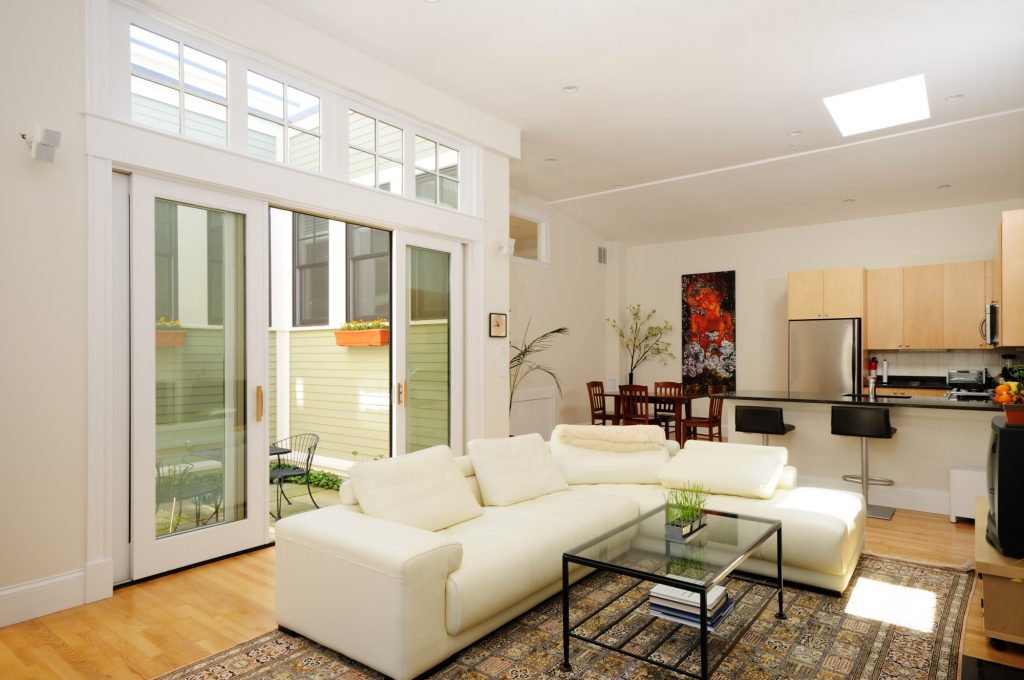
High-end apartment complexes and villa projects increasingly specify aluminum sliding glass doors for patio access, balcony enclosures, and room dividers. The slim sightlines and expansive glass areas create open, light-filled interiors that command premium pricing in competitive real estate markets.
Storefronts, showrooms, and office buildings leverage aluminum sliding glass doors to maximize natural daylight penetration while providing secure, weather-resistant entrances. Automated sliding systems integrate seamlessly with building management systems for enhanced accessibility and energy management.
Hotels, resorts, and vacation properties depend on durable aluminum sliding glass doors for guest room balconies and suite terraces. Corrosion-resistant finishes withstand coastal environments, while large-format panels deliver the panoramic views that drive guest satisfaction and booking rates.
Schools, hospitals, and government facilities require aluminum sliding glass doors that meet strict safety, accessibility, and acoustic performance standards. Fire-rated configurations and reinforced security hardware address the unique compliance requirements of public sector procurement.
Large-scale mixed-use developments combine residential, retail, and office spaces in integrated campuses. Aluminum sliding glass doors provide versatile solutions for common area entrances, amenity spaces, and individual unit facades, creating cohesive architectural language across diverse functional zones.
Existing buildings undergoing facade upgrades frequently replace outdated swinging doors with space-efficient aluminum sliding glass systems. Lightweight aluminum profiles simplify structural retrofitting compared to heavier alternatives, enabling significant aesthetic and performance improvements with minimal structural modification.
Standard aluminum sliding glass door orders typically require 15–25 business days from confirmed drawing approval to shipment, depending on order volume and customization complexity. Bulk orders exceeding 500 sets may extend to 30–40 business days. Forge Windows and Doors maintains three production bases to help compress lead times and accommodate urgent project schedules.
Yes, aluminum sliding glass doors are fully customizable to meet specific architectural requirements. Manufacturers can produce units in virtually any width and height combination, limited only by transport logistics and structural engineering considerations. Custom options include frame depth, color finish, glass type, opening pattern, and hardware configuration. Always confirm engineering feasibility with your supplier before finalizing non-standard sizes.
Reputable manufacturers like Forge Windows and Doors offer lifetime warranties on aluminum frames and substantial coverage on hardware components (typically 5–10 years). Warranty terms should cover material defects, finish degradation, and operational failures under normal use conditions. Review warranty documentation carefully to understand exclusions, claim procedures, and whether coverage transfers to subsequent property owners.
Aluminum sliding glass doors generally outperform uPVC in structural strength, dimensional stability, and lifespan. Aluminum frames maintain their shape under extreme temperatures and do not become brittle over time like plastic alternatives. For larger openings exceeding 2 meters in width, aluminum is the preferred material due to its superior load-bearing capacity. However, uPVC may offer slightly better baseline thermal insulation in budget-conscious projects.
Aluminum is naturally corrosion-resistant, making it ideal for coastal installations. Specify marine-grade aluminum alloys (such as 6063-T6) with appropriate surface treatments—powder coating, fluorocarbon painting, or anodizing—to provide additional protection against salt spray exposure. Forge Windows and Doors routinely supplies aluminum sliding glass doors for coastal resort projects worldwide, with proven performance in harsh marine atmospheres.
Aluminum sliding glass doors support a wide range of glazing configurations: tempered safety glass (mandatory in most jurisdictions for large panels), laminated glass for enhanced security and acoustic insulation, insulated glass units (IGU) with argon fill for thermal performance, and Low-E coated glass to reflect solar heat. Triple-glazed configurations are available for extreme climate applications. Your supplier should provide guidance on optimal glass selection based on your project's climate zone and energy code requirements.
Privacy statement: Your privacy is very important to Us. Our company promises not to disclose your personal information to any external company with out your explicit permission.
Fill in more information so that we can get in touch with you faster
Privacy statement: Your privacy is very important to Us. Our company promises not to disclose your personal information to any external company with out your explicit permission.